Grammar
Master the rules that shape clear and confident communication. Our Grammar section breaks down English grammar into simple, easy-to-understand lessons that help readers improve sentence structure, punctuation, tenses, and everyday writing skills. Whether you are a student, writer, or language learner, you’ll find practical explanations and real examples designed to make grammar less confusing and more useful in daily life.
-

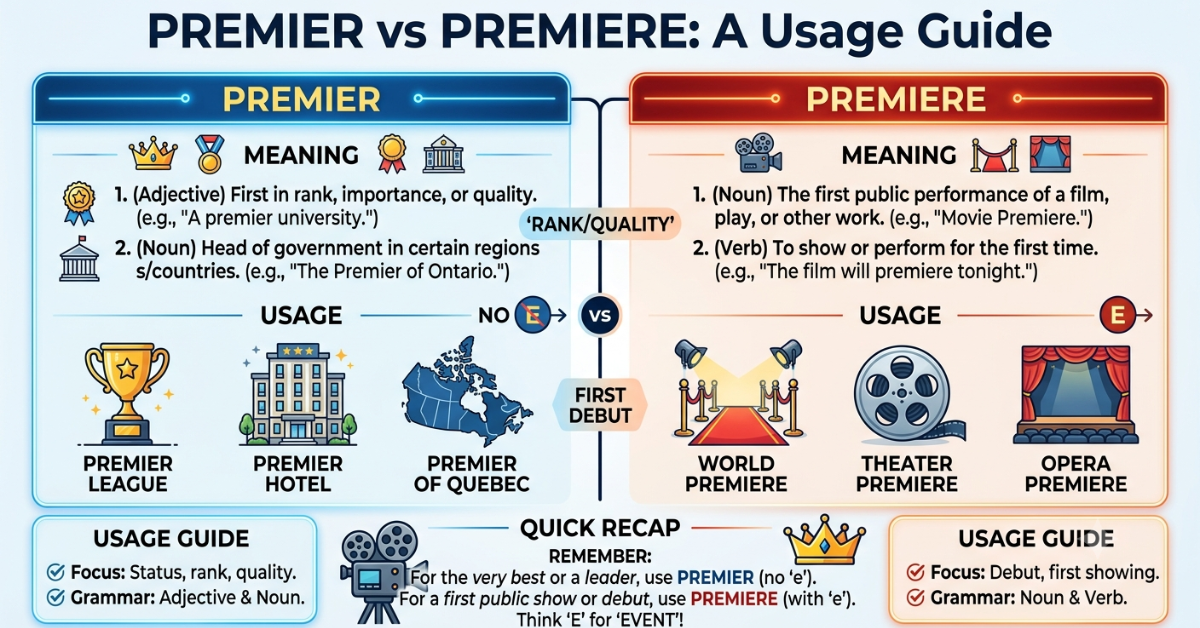
Premier vs Premiere: Meaning, Difference & Usage Guide
Language can be tricky, especially when two words look and sound almost identical. One of the most commonly confused pairs…
Read More » -
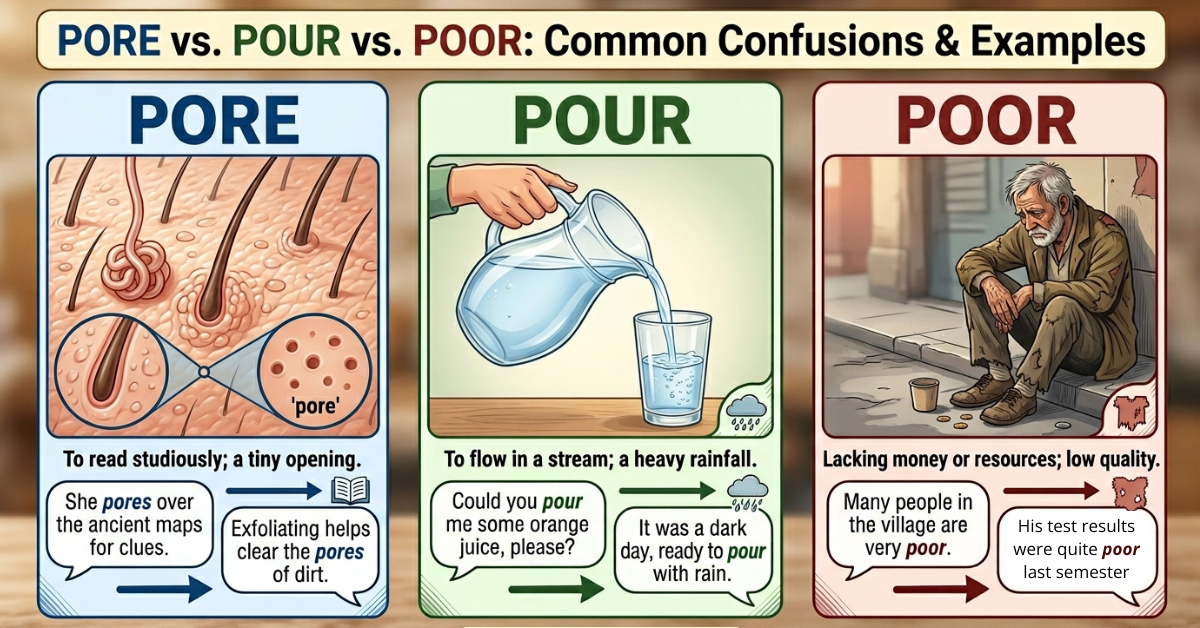
Pore vs Pour vs Poor: Differences & Examples
Have you ever written a sentence and stopped because you weren’t sure if it’s pore, pour, or poor? You’re not…
Read More » -
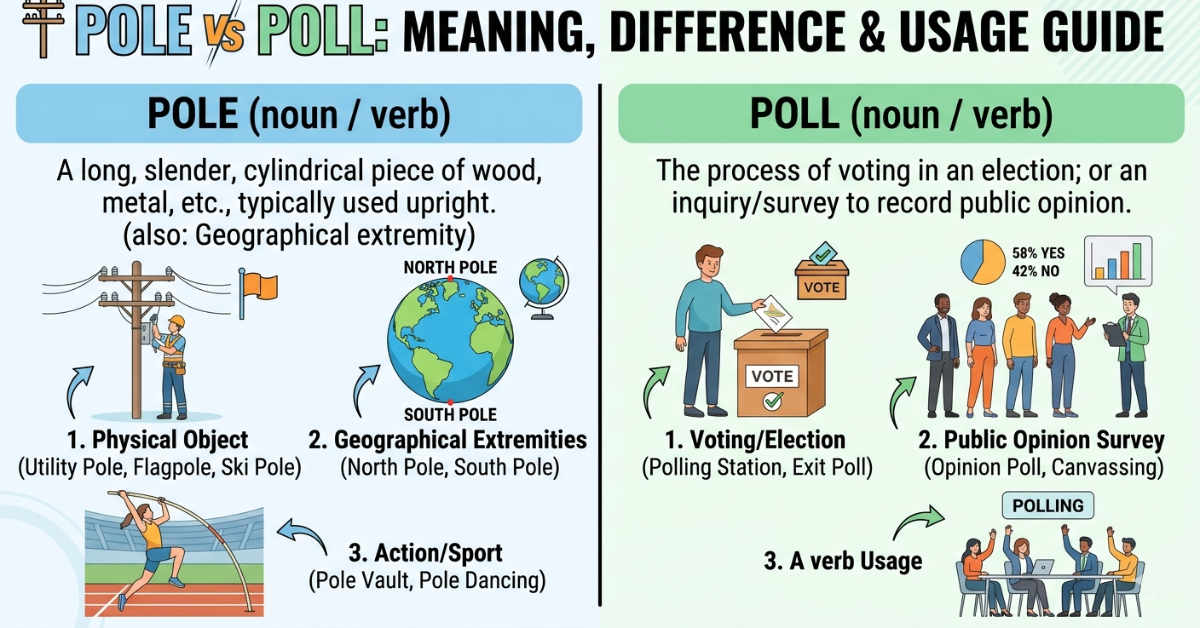
Pole vs Poll: Meaning, Difference & Usage Guide
English can be tricky, especially when two words sound exactly the same but mean completely different things. One of the…
Read More » -
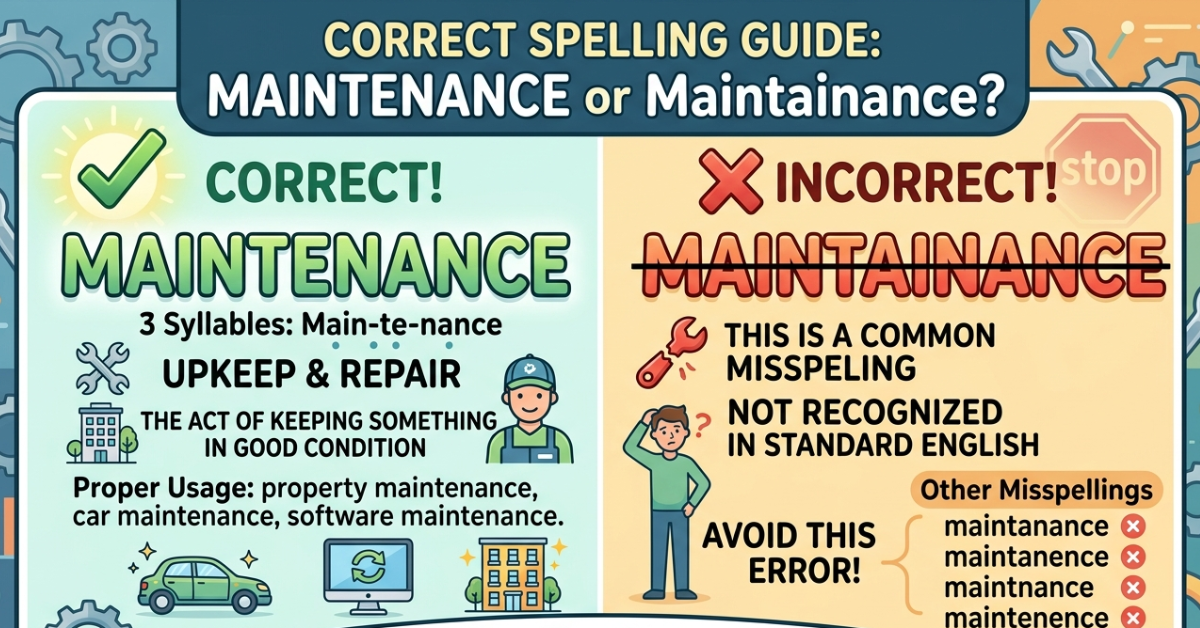
Maintenance or Maintainance: Correct Spelling Guide
Have you ever paused while writing and wondered whether it’s maintainance or maintenance? You’re not alone. This is one of…
Read More » -
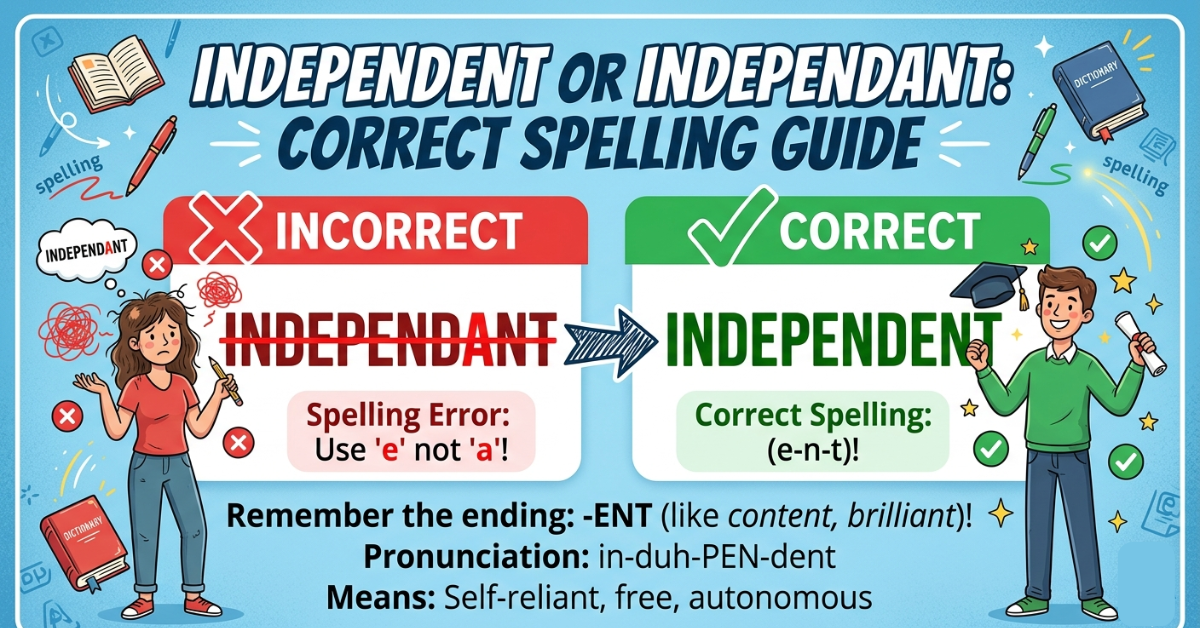
Independant or Independent: Correct Spelling Guide
Have you ever paused while writing the word independant or independent and wondered which one is actually correct? You’re not…
Read More » -
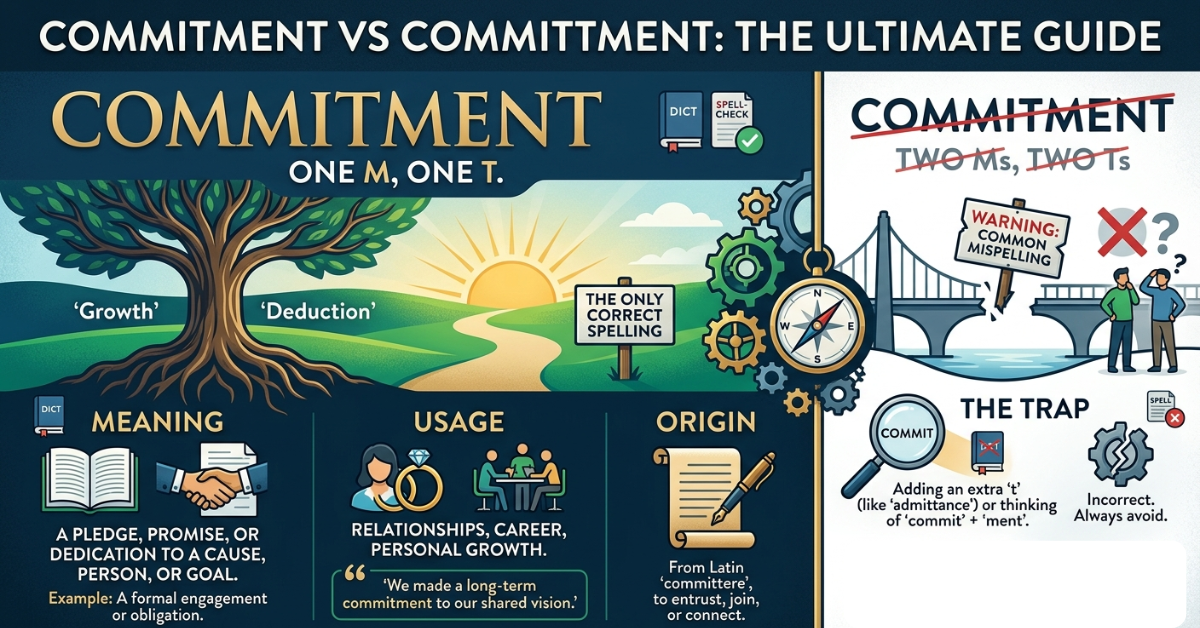
Commitment vs Committment: Meaning, Spelling & Usage
The words committment or commitment often confuse writers, students, and even professionals. While they may look similar, only one is…
Read More » -
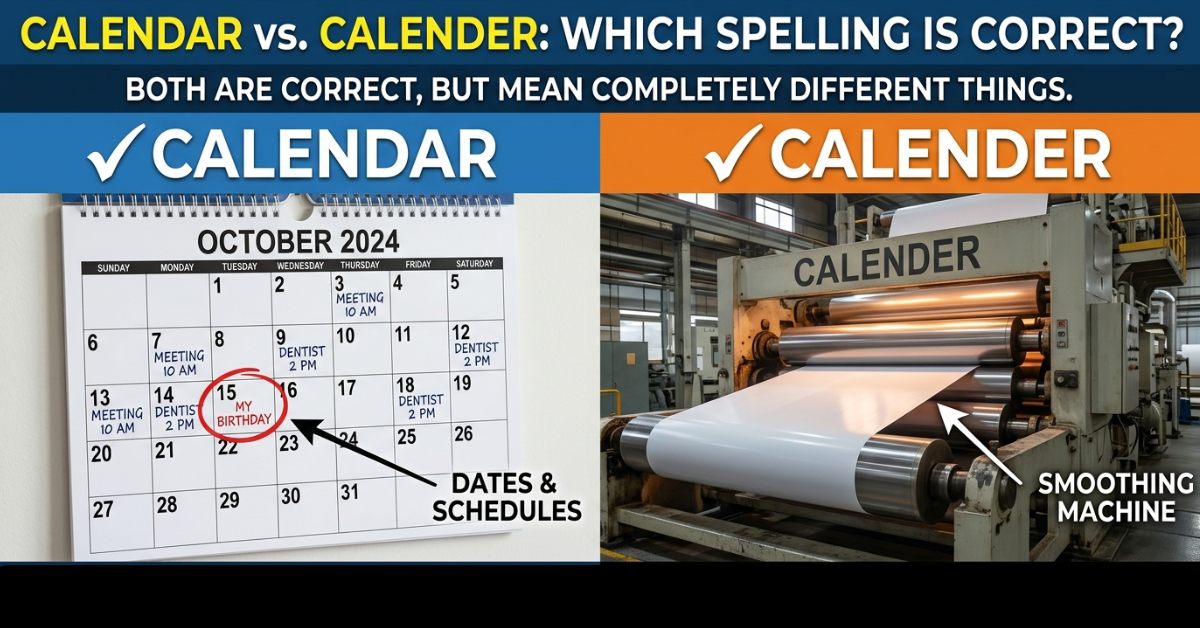
Calender or Calendar: Which Spelling Is Correct?
Have you ever paused while writing and wondered calender or calendar—which one is actually correct? You’re not alone. This is…
Read More » -
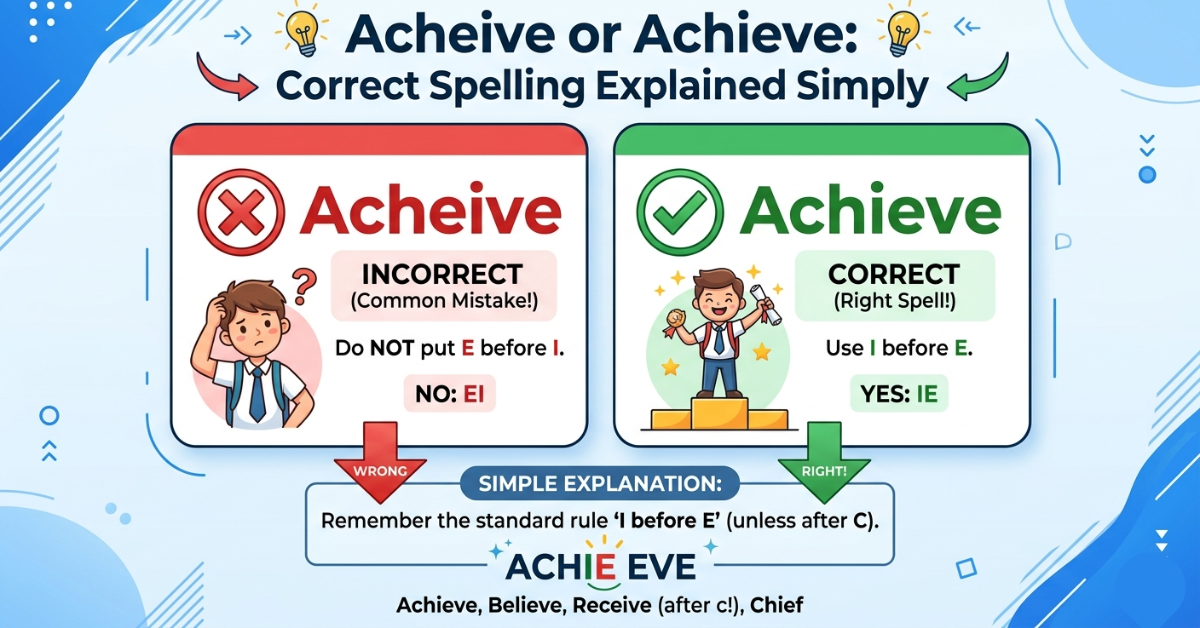
Acheive or Achieve: Correct Spelling Explained Simply
If you’ve ever found yourself wondering whether it’s acheive or achieve, you’re not alone. This is one of the most…
Read More » -
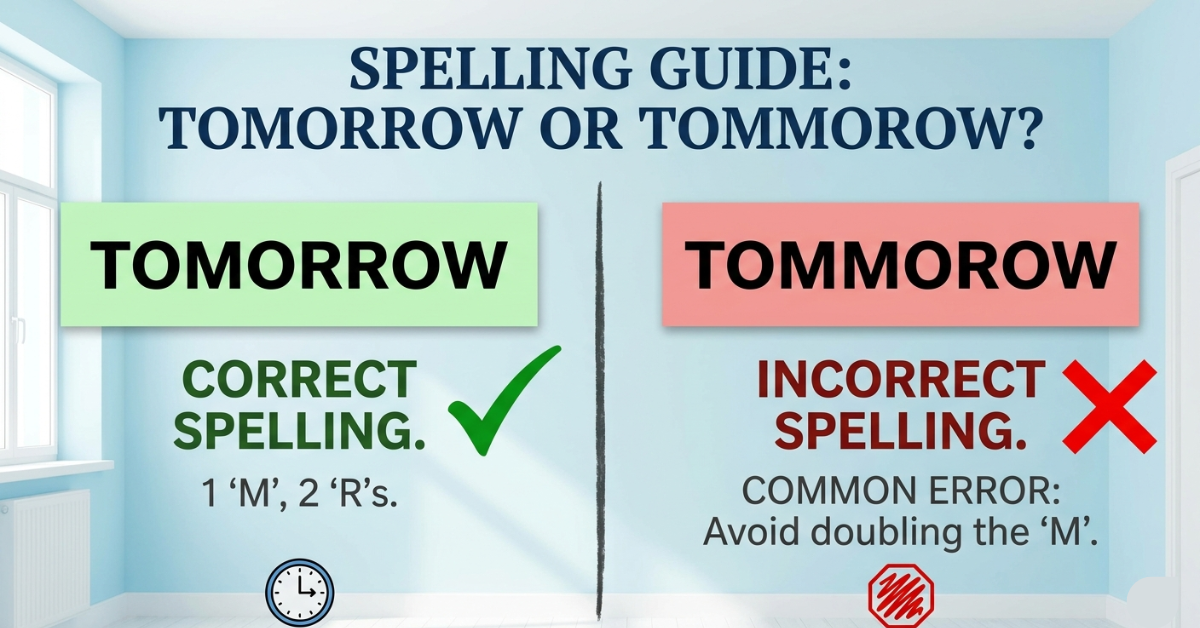
Tomorrow or Tommorow: Correct Spelling Guide
The confusion between tomorrow or tommorow is more common than you might think. Many people accidentally double the “m,” while…
Read More »