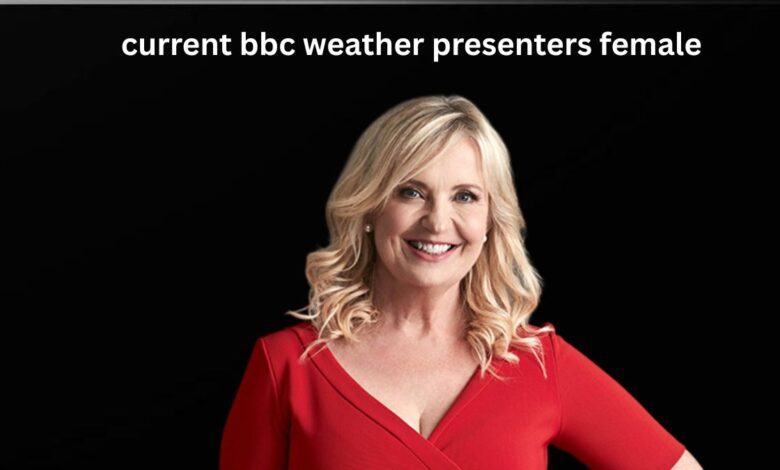
When people search for current BBC weather presenters female, they are usually looking for the women currently appearing on BBC weather forecasts across television, radio, and BBC online platforms. The BBC has a long history of female meteorologists and weather presenters who have become familiar faces to viewers across the UK.
BBC Weather is not presented by one fixed team. Different presenters appear on BBC One, BBC News, BBC Breakfast, regional programmes, and other BBC services. Their schedules can also change depending on shifts, holidays, major weather events, and broadcasting requirements.
The women working in BBC Weather come from different professional backgrounds. Some are trained meteorologists, while others have developed specialist knowledge through forecasting and broadcasting careers. This combination helps make BBC weather coverage both informative and accessible.
Who Are the Current Female BBC Weather Presenters?
The BBC’s weather team includes several well-known female presenters who regularly appear across its broadcasting network. Among the familiar names associated with BBC Weather are Carol Kirkwood, Sarah Keith-Lucas, Susan Powell, Louise Lear, Tomasz Schafernaker, Matt Taylor, and Helen Willetts, although not all of these presenters are female.
For viewers specifically searching for female presenters, names such as Carol Kirkwood, Sarah Keith-Lucas, Susan Powell, Louise Lear, and Helen Willetts are particularly recognizable. Their appearances vary according to BBC schedules and individual responsibilities.
It is also worth remembering that “current” does not necessarily mean that every presenter appears every day. Weather presenters work rotating shifts, and the BBC can change its schedules depending on programming needs. A presenter may therefore be familiar to viewers without appearing on every forecast.
Carol Kirkwood
Carol Kirkwood is one of the most recognizable female weather presenters associated with the BBC. She has been a familiar presence on BBC Breakfast and other BBC weather broadcasts for many years.
Her presentation style is generally conversational and easy to follow. She has become particularly well known for explaining changing weather conditions in a way that works for a broad television audience.
Kirkwood’s long association with BBC weather has made her one of the most recognizable names in British television weather broadcasting. Her forecasts often combine the immediate outlook with useful information about temperatures, rain, wind, and travel conditions.
Sarah Keith-Lucas
Sarah Keith-Lucas is another prominent female meteorologist and BBC weather presenter. She is known for appearing across BBC weather coverage and has developed a strong reputation for explaining meteorological information clearly.
Unlike a simple television presenter role, weather broadcasting requires an understanding of forecasting data and changing atmospheric conditions. Keith-Lucas has worked within this environment while also communicating forecasts to a general audience.
Her broadcasts can cover everything from everyday weather changes to significant weather systems. During periods of unsettled conditions, presenters such as Keith-Lucas can help viewers understand what different forecast models mean for their local area.
Susan Powell
Susan Powell is another familiar female face associated with BBC weather broadcasting. She has presented forecasts across BBC services and has become known to viewers for her calm and informative presentation.
Weather presenters often need to communicate information quickly. A forecast can change considerably within a short period, especially when rain bands, strong winds, or temperature changes develop. Powell’s role involves turning that technical information into understandable television content.
Her appearances have contributed to the wider group of female presenters who provide BBC audiences with regular weather updates. Like other members of the weather team, her schedule can vary depending on BBC programming arrangements.
Louise Lear
Louise Lear has also been a familiar name in BBC weather broadcasting. She has presented weather forecasts for the BBC and has appeared across different programmes during her broadcasting career.
Lear’s experience demonstrates how weather presentation combines technical knowledge with communication skills. Forecasting information may contain complex meteorological terminology, but television viewers generally need a clear explanation rather than a technical lecture.
This is where experienced presenters play an important role. They can describe expected temperatures, rainfall, cloud cover, wind, and weather warnings in a format that people can understand quickly.
Helen Willetts
Helen Willetts is another female meteorologist who has been associated with BBC weather broadcasts. Her background in meteorology has been an important part of her broadcasting career.
A professional meteorologist needs to interpret information from forecasting systems, satellite observations, radar, and other sources. Presenting that information on television adds another challenge because the forecast must be communicated clearly within a limited amount of airtime.
Willetts has therefore been part of the BBC’s broader approach to weather broadcasting, where scientific understanding and presentation skills work together.
Why Does the BBC Have Several Weather Presenters?
One reason viewers see different BBC weather presenters is the size of the BBC’s broadcasting operation. The BBC produces national and regional programmes throughout the day, and weather information needs to fit into many different broadcasts.
A single presenter could not realistically cover every forecast across the BBC’s television and digital services. Weather presenters therefore work different shifts and appear on different programmes.
The rotation also gives broadcasters flexibility. If a major weather system affects the UK, the BBC can provide additional forecasts and updates. Different meteorologists can contribute to this coverage throughout the day.
What Qualifications Do BBC Weather Presenters Have?
Weather presenting is different from reading a prepared script. Professional meteorologists need a strong understanding of atmospheric science and forecasting.
Many television meteorologists have studied subjects connected with meteorology, atmospheric science, mathematics, physics, geography, or related scientific disciplines. Some also complete specialist meteorological training before moving into broadcasting.
Their professional work can involve interpreting numerical weather prediction models, radar images, satellite data, observations, and official warnings. These skills are important because weather forecasting involves uncertainty and constantly changing conditions.
The presenter then has to translate those details into information that viewers can use. That might mean explaining whether rain is likely during a morning commute or whether strong winds could affect coastal areas.
How BBC Weather Presenters Prepare a Forecast
Preparing a weather forecast involves more than looking outside and describing the sky. Modern forecasting uses large amounts of scientific data gathered from different sources.
Meteorologists examine computer forecast models, observations from weather stations, radar imagery, satellite information, and atmospheric measurements. They then assess how different weather systems may develop.
Once the meteorologist has interpreted the information, the forecast needs to be communicated clearly. Television forecasts have limited time, so presenters must decide which information matters most to viewers.
This process is especially important during severe or unusual weather. Heavy rainfall, snow, storms, heat, and strong winds can affect transport and daily life, making accurate communication particularly valuable.
BBC Weather Presenters During Severe Weather
Female BBC weather presenters can become especially visible when the UK experiences significant weather. During severe conditions, forecasts may receive more airtime than usual.
The presenter may need to explain weather warnings, expected rainfall totals, wind conditions, snowfall, temperatures, or possible disruption. They also need to communicate uncertainty carefully because forecasts can change as new information becomes available.
Weather coverage during these periods can involve several presenters working across different BBC programmes. Viewers might see one meteorologist during an early morning programme and another later in the day.
This does not necessarily mean that one presenter has replaced another. It is usually part of the normal shift-based structure of broadcast weather coverage.
Are BBC Weather Presenters Always on Television?
No. A BBC weather presenter may work behind the scenes or have responsibilities that viewers do not see. Presenters also have scheduled days off, holidays, and different working patterns.
The BBC operates multiple services, so a meteorologist’s work can extend beyond a single television bulletin. Weather information may also be prepared for radio, online platforms, regional broadcasting, and other BBC services.
This explains why viewers may notice that a familiar presenter disappears from television for a period and then returns later. It does not necessarily indicate that the presenter has left the BBC.
Why Female Weather Presenters Are Popular With Viewers
Female weather presenters have become an established part of British television. Many have built long broadcasting careers and developed strong recognition among viewers.
The popularity of a presenter can come from several factors, including experience, presentation style, scientific knowledge, and familiarity. Viewers often become accustomed to seeing certain presenters during particular programmes.
Weather is also a subject that affects practically everyone. People check forecasts before travelling, working outdoors, planning events, commuting, or deciding what to wear. A presenter who explains these conditions clearly can become a familiar part of someone’s daily routine.
The role is therefore much broader than simply displaying temperatures on a map.
The Difference Between a Weather Presenter and a Meteorologist
The terms “weather presenter” and “meteorologist” are sometimes used interchangeably, but they can describe different aspects of the job.
A meteorologist is a scientist who studies the atmosphere and weather processes. Meteorologists can work in forecasting, research, aviation, environmental services, broadcasting, and other areas.
A weather presenter, meanwhile, communicates forecast information to an audience. In the BBC environment, many presenters have professional meteorological training, meaning they combine both scientific knowledge and broadcasting skills.
This combination is particularly useful because viewers need forecasts that are both technically informed and easy to understand.
How the BBC Weather Team Changes Over Time
The list of current BBC weather presenters can change. Broadcasters retire, move to different roles, take on new responsibilities, or change their working arrangements.
New meteorologists can also join the broadcasting team. Because of these changes, an online list created several years ago may no longer accurately represent the current BBC Weather lineup.
This is particularly important when searching for the phrase current BBC weather presenters female. Search results can contain older articles, biographies, and social media posts that continue to appear even after a presenter’s role or schedule has changed.
For the most accurate information, viewers should check recent BBC programming and official BBC Weather information rather than relying entirely on older lists.
Frequently Asked Questions
Who is the most recognizable female BBC weather presenter?
Carol Kirkwood is one of the most recognizable female weather presenters associated with the BBC. She has had a long-running broadcasting career and is particularly familiar to BBC Breakfast viewers.
Is Sarah Keith-Lucas a BBC meteorologist?
Yes. Sarah Keith-Lucas is a meteorologist and BBC weather presenter. She has appeared across BBC weather coverage and is known for presenting forecasts to a national audience.
Does the BBC have more than one female weather presenter?
Yes. The BBC has several female meteorologists and weather presenters. Their appearances vary across programmes and shifts, so viewers may see different presenters at different times.
Why do BBC weather presenters change from day to day?
BBC weather presenters work different shifts and contribute to different programmes. Holidays, weekends, programme schedules, and major weather events can also affect who appears on screen.
Are BBC weather presenters trained meteorologists?
Many BBC weather presenters have meteorological training and scientific backgrounds. Their work involves interpreting forecasting information and communicating it clearly to the public.
Where can I find the latest BBC weather forecast?
The BBC Weather service provides forecasts for locations across the UK and elsewhere. Television broadcasts also provide regular national and regional updates.
Final Thoughts
The search for current BBC weather presenters female leads to a group of experienced women who have played important roles in BBC weather broadcasting. Names such as Carol Kirkwood, Sarah Keith-Lucas, Susan Powell, Louise Lear, and Helen Willetts are associated with BBC weather coverage and have become familiar to many viewers.
However, the BBC weather team is not static. Presenters work different shifts, and schedules can change over time. Someone appearing regularly on television may not be on every broadcast, while another meteorologist may become more visible during a particular period.
What connects these presenters is the combination of weather knowledge and communication. Their job is to take complex forecasting information and turn it into practical updates that viewers can understand and use in everyday life.