A simple farewell can carry real warmth, especially when someone is heading out on a trip. That is why the phrase safe travels meaning matters so much in everyday English. It is short, friendly, and full of care.
Although it may sound like a casual expression, “safe travels” is more than just a goodbye. In fact, it is a way of saying that you hope the other person reaches their destination safely and has a smooth journey along the way.
What Does “Safe Travels” Mean?
“Safe travels” is a polite and thoughtful phrase used to wish someone a secure and trouble-free journey. Most often, people say it before a flight, road trip, vacation, or business trip.
In simple words, the phrase means:
- travel safely
- avoid problems on the journey
- reach your destination without trouble
- enjoy a smooth trip
Because the phrase is so easy to understand, it works in both casual and formal situations.
Have a Safe Travels Meaning Explained
Many people search for have a safe travels meaning because the phrase sounds close to other common travel wishes. However, the most natural versions are “have safe travels” or “have a safe trip.”
That said, people do sometimes say “have a safe travels” in informal conversation. Even so, it is not the most grammatically smooth version. For that reason, it is better to use one of these instead:
- Have safe travels
- Safe travels
- Have a safe trip
- Travel safely
These options sound more natural and are widely accepted in English.
Why People Say “Safe Travels”
The phrase is popular because it feels genuine. Travel can be exciting, but it can also be unpredictable. Flights get delayed, traffic builds up, and weather changes without warning.
As a result, people often use this phrase to show kindness and concern. It tells someone, in a simple way, that you care about their well-being.
When to Use “Safe Travels”
This phrase works well in many situations. For example, it fits when someone is:
- leaving for a vacation
- taking a long drive
- flying to another city or country
- going on a work trip
- heading home after a visit
Before a Flight
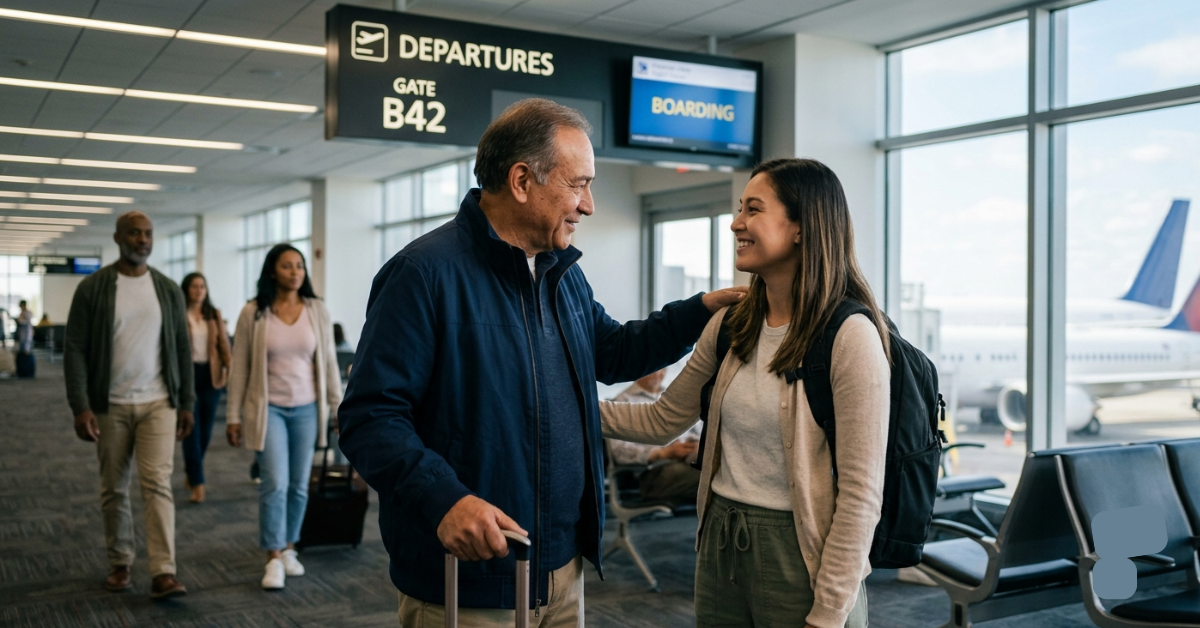
When someone is about to board a plane, “safe travels” is a warm and natural thing to say.
Example: Safe travels, and enjoy your trip.
Before a Road Trip
Long car journeys often come with extra risks, so the phrase feels especially fitting.
Example: Drive carefully and safe travels.
For Business Travel
In a workplace setting, it sounds polite and professional without being too formal.
Example: Wishing you safe travels and a successful meeting.
Is “Safe Travels” Formal or Informal?
One reason the phrase is so widely used is that it works in both settings. In casual conversation, it sounds warm and friendly. In professional communication, it stays respectful and appropriate.
So, whether you are texting a friend or emailing a colleague, the phrase still fits naturally.
Other Ways to Say Safe Travels
Sometimes, a different phrase may sound better depending on the situation. Fortunately, there are many alternatives.
Friendly Alternatives
- Have a great trip
- Travel safely
- Enjoy your journey
- Hope you get there safely
- Wishing you a smooth trip
Heartfelt Alternatives
- Take care and come back safely
- May your journey be peaceful
- Sending good wishes for your travels
- Hope everything goes smoothly
Professional Alternatives
- Wishing you a pleasant journey
- Hope your trip goes well
- Best wishes for your travel plans
Common Mistakes to Avoid
A few small changes can make your writing sound more natural.
Incorrect: Have a safe travels
Correct: Have safe travels
Incorrect: Safe travel
Correct: Safe travels
Incorrect: Travel safe
Correct: Travel safely
These corrections may seem minor, but they make a big difference in how natural the phrase sounds.
The Deeper Meaning Behind the Phrase
Beyond grammar, “safe travels” has emotional value. It is a short phrase, yet it communicates kindness, concern, and goodwill.
That is why people often say it during meaningful goodbyes. Whether someone is going abroad, starting a new chapter, or simply visiting family, the phrase helps make the moment feel warmer.
FAQs About Safe Travels Meaning
What does safe travels mean?
It means you are wishing someone a safe and smooth journey.
Is “safe travels” correct English?
Yes, it is a correct and commonly used phrase.
Can I say “have a safe travels”?
People say it informally, but “have safe travels” or “have a safe trip” sounds better.
What can I say instead of safe travels?
You can say “have a great trip,” “travel safely,” or “wishing you a smooth journey.”
Is safe travels formal?
Yes, it can be used in both formal and informal situations.
Conclusion
Now that the safe travels meaning is clear, it is easy to see why people use it so often. It is simple, kind, and suitable for many situations, from casual farewells to professional messages.
In the end, whether you say “safe travels,” “have safe travels,” or another warm farewell, the message stays the same: you hope the person gets where they are going safely and comfortably.